
[Buying guides]
Bottle Filling Line: Container Format Checks Before the Filler Is Specified
Prepare the body, neck and closure drawings, then use the format-confirmation sheet to review positioning, settings and change parts across the proposed line.
Updated October 2026
Start with a container-format record
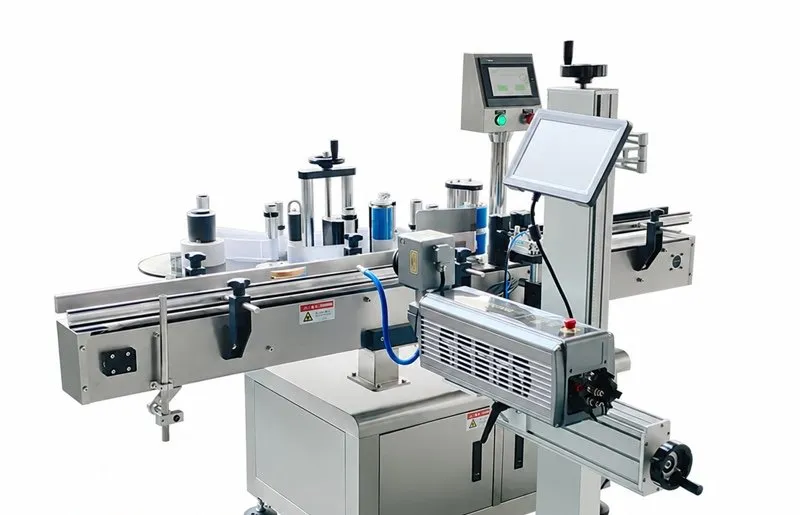
Before specifying a bottle filling line, prepare the bottle body drawing, neck-finish drawing, closure drawing and intended orientation. Then work through the station checklist below and record the proposed settings and change parts for each format.
Use this guide to prepare the container-format brief for your bottle packaging line. For the wider configuration discussion, see our liquid filling lines and filling-line selection guide.
Separate the neck opening from the external finish
| Drawing dimension | Meaning | Record or request |
|---|---|---|
| I | The I dimension is the inner diameter of the bottle neck. | Request the minimum opening and filling-tube outline. |
| T | The T dimension is the outside diameter of the thread. | Attach the thread drawing and tolerance. |
| E | The E dimension is the outside diameter of the neck. | Include the outside neck profile. |
| H | The H dimension is the height of the neck finish. | Identify the finish-height datum. |
| S | The S dimension is measured from the top of the finish to the top edge of the first thread. | Mark the first-thread position. |
Check filling access and closure engagement
The minimum I dimension must allow sufficient clearance for filling tubes.
The tolerance range of the T dimension determines the mate between bottle and closure.
The S dimension determines closure orientation and thread engagement between bottle and cap.
Keep the bottle and cap drawing revisions together. Mark the proposed filling tube on the neck drawing, and ask us to record the agreed clearance and closure match in the format sheet.
Record the body shape and orientation
On our bottle filling lines, the timing-screw and star-wheel setup sheet links each container format ID to the exact bottle material, nominal volume and measured body envelope.
Our setup sheet records container cross-section shape, empty versus filled stability, and handle or asymmetric spout orientation at the infeed.
For each format, attach overall height, the body cross-section, the base profile and a top view. Mark the direction of travel and the intended handle, spout or label-panel orientation. Add the drawing revision beside the format name.
Review the body and presentation together
Identify the actual feed arrangement
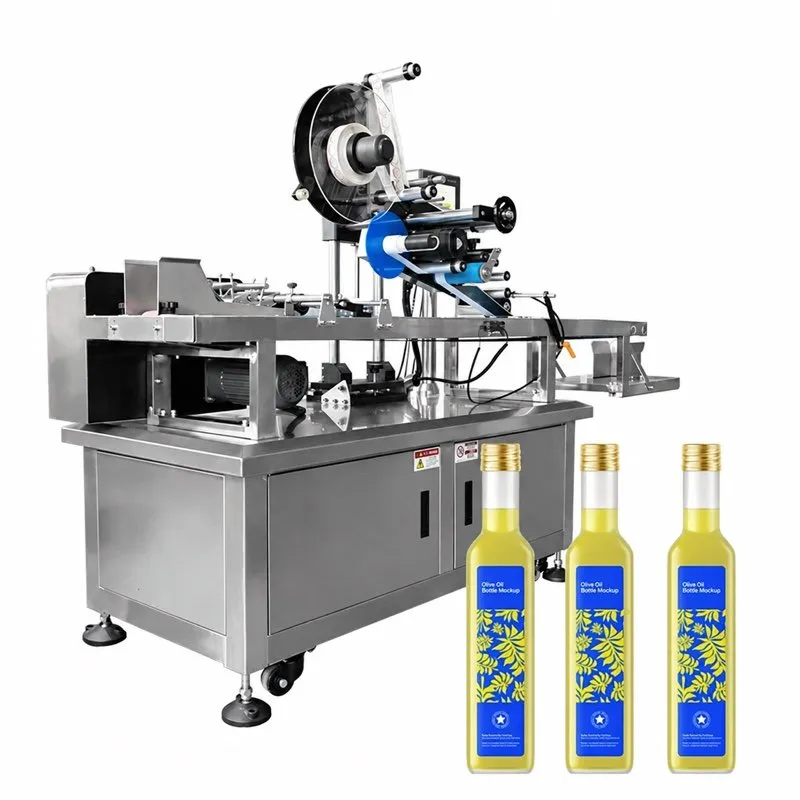
A choke-fed system operates with a continuous backlogged queue of containers entering the infeed screw or indexing gate.
A random-fed system accepts containers arriving with variable spacing and synchronizes them gently into the pocket pitch.
In the feed section of your format record, we document the infeed mode together with the container condition and orientation at entry. Where timing screws, star wheels or center guides are specified, we list their part references directly against your bottle drawing.
In our rotary and inline star-wheel transitions, the infeed timing screw controls container acceleration and pocket entry into the star wheel and neck guides.
Keep discharge pitch beside the speed settings
Timing-screw discharge pitch is the center-to-center spacing of containers leaving the timing screw and entering the filling or capping station.
On our screw-fed bottle lines, conveyor speed is synchronized to the timing-screw discharge pitch so bottles do not tip or scuff at the release point.
Running the conveyor faster than the screw discharge velocity pulls containers out of the screw pocket prematurely, creating unstable spacing and splashing on open-neck fills.
We include the matched timing-screw RPM and conveyor linear speed on the line setup sheet for each bottle format.
We provide a station layout drawing showing the nozzle and container center-to-center pitch alongside the setup-sheet reference, keeping the bottle body envelope and the station pitch recorded in dedicated fields.
Distinguish an adjustment from a saved setting or part
On our automatic rinsing and filling machines, once guide rails and bottle indexing gates are positioned for the container width, optical sensor brackets and diving-nozzle stroke heights are set to the format mark.
Fill volume, pump speed, rinse duration and indexing delay times are saved in bottle-specific PLC recipes so operators recall the timing profile from the HMI screen without re-tuning timers.
On our spindle and chuck cappers, switching between screw-on cap diameters and bottle heights uses scaled handwheel adjustments for gripper belts, spindle wheels and cap-chute rails, plus quick-change chuck inserts where cap geometry changes.
For your proposed line, we classify each station and format as a scaled adjustment, a saved PLC recipe parameter, or a numbered change part, and we supply a station-by-station change-part list with part references before the format-change scope is agreed.
Keep the setup record beside the station
Carry the format brief through to labeling
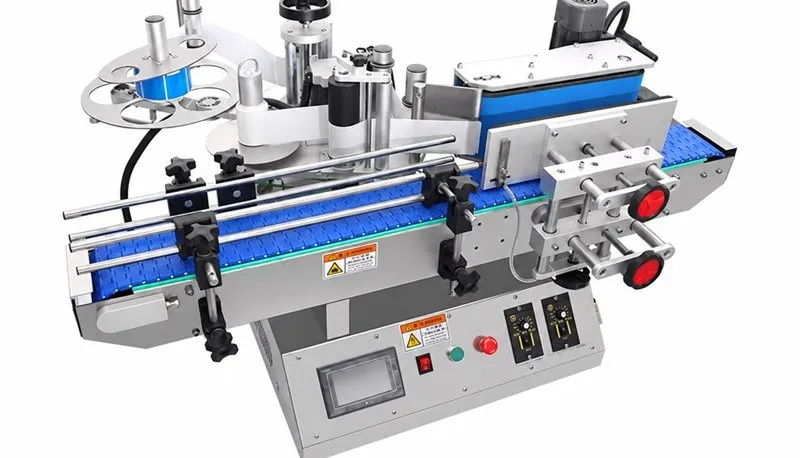
Our edible-oil bottling line combines filling, capping and multi-side labeling.
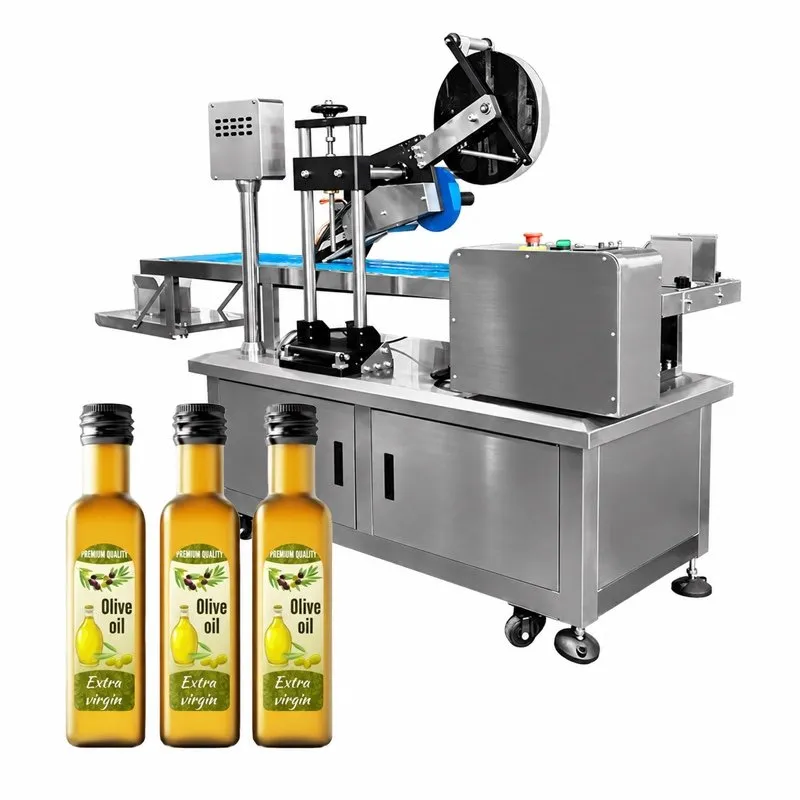
Include the label-panel orientation and the proposed handoff to labeling in the same format record. Continue with the bottle-labeling line interface guide for that discussion.
Review the downstream format handoff
Bottle-format and change-part confirmation sheet
| Check | Attach or enter | Question to close |
|---|---|---|
| Bottle identity | Format name; drawing revision; body and base views | Which drawing defines the proposed format? |
| Body envelope | Overall height; round-body diameter or non-round width and length | Which dimensions and tolerances belong in the agreed record? |
| Neck and closure | Neck-finish drawing; minimum opening; matching cap drawing | Which filling-tube outline and closure pairing are proposed? |
| Presentation | Direction of travel; handle or spout orientation; full or empty condition | How is the bottle presented at each station? |
| Feed and positioning | Feed arrangement; proposed screw, star or guide references | Which positioning arrangement applies to this format? |
| Pitch and settings | Discharge drawing; screw and conveyor setup-sheet references | Which settings will be recorded together? |
| Format change | Station; adjustment; saved setting; part reference; open question | Which items change between the named formats? |
| Downstream handoff | Label-panel orientation; transfer drawing | What remains to be resolved at the labeler entry? |
Return the completed format sheet
Copy the worksheet into your bottle packing line brief and complete it for each proposed format. Attach the drawings and mark unresolved items explicitly. Use our filling-line RFQ checklist to assemble the rest of the project request.
Sources
- Berlin Packaging: Neck Finish Dimension Conventions (I, T, E, H, S)
- LINEVO PACK: Bottle Filling Line Changeover, Timing Screw and Star-Wheel Engineering
- LINEVO PACK: Industrial Edible Oil Bottling Line: Multi-Side Labeling
[Request]
Request your bottle-format confirmation sheet
Send us the bottle-height, body-dimension, neck and closure details through WhatsApp. Ask for the station-by-station format and change-part confirmation sheet alongside the line proposal.
Our team reviews your product, container and line requirements with you.
[Keep planning]
- Liquid Filling LinesFoam, drip or a narrow bottle opening can make the wrong filler a poor fit. Start with liquid behavior and container dimensions, then match the filling and downstream stations.
- How to Choose a Filling LineChoose a filling line from the product and container, then define accepted output, the automation boundary, utilities and the stations supplied. The configuration review connects these requirements before equipment is built.
- RFQ ChecklistPrepare a filling line RFQ with the product, container and closure, required accepted output, site layout and delivery scope. A shared brief lets engineering define each station and its interfaces on the same basis.
- Bottle Labeling Line InterfaceHand loading a bottle labeler can add downtime to a continuous filling line. Match your bottle labeling machine to bottle holding, label format and conveyor interfaces before comparing speed.